Awards & Distinctions

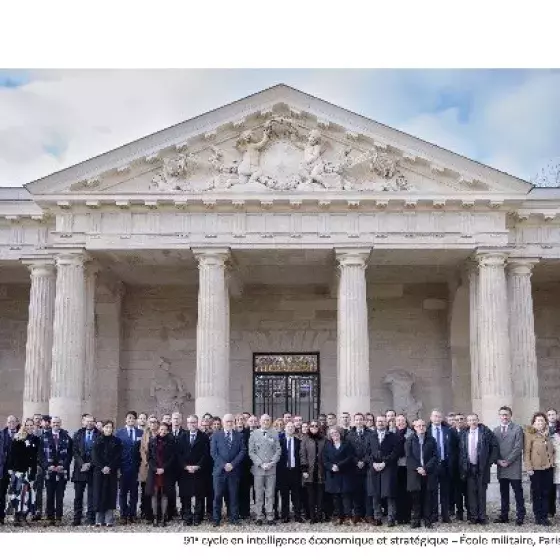
BRUNA, Maria Giuseppina - 2026

Participant in the 91st Session on Economic and Strategic Intelligence at the Institute for Advanced National Defence Studies (IHEDN).


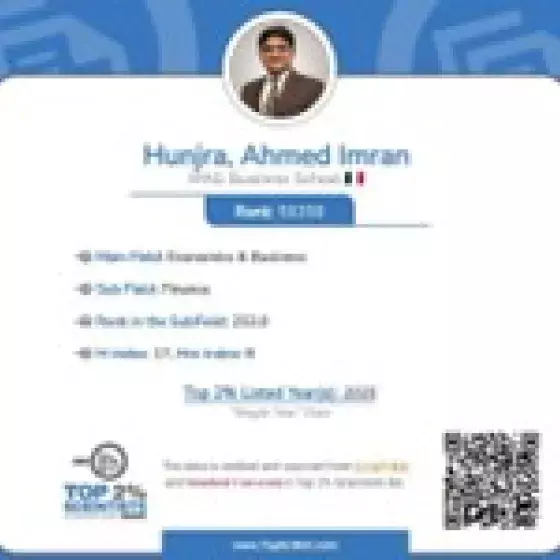
IMRAN HUNJRA, Ahmed - 2025

Ranked among the Top 2% most influential scientists in the world in Finance in 2025. 🏆

This prestigious distinction is based on the Stanford–Elsevier global database, which is updated annually using data from Elsevier | Scopus. The ranking identifies researchers included in the Top 2 Percent Scientists, based on rigorous bibliometric indicators such as the h-index, normalized citation impact, and the composite citation score (c-score).
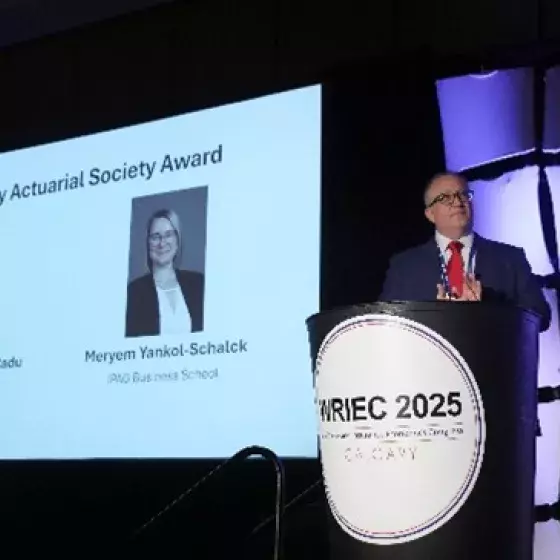
YANKOL-SCHALCK, Meryem - 2025

Award from the American Risk and Insurance Association (ARIA), in partnership with the Casualty Actuarial Society (CAS), for an article co-authored with Denisa Banulescu-Radu and published in the Journal of Risk and Insurance (FNEGE 2, AJG 3).
ACHABOU, Akli - 2025

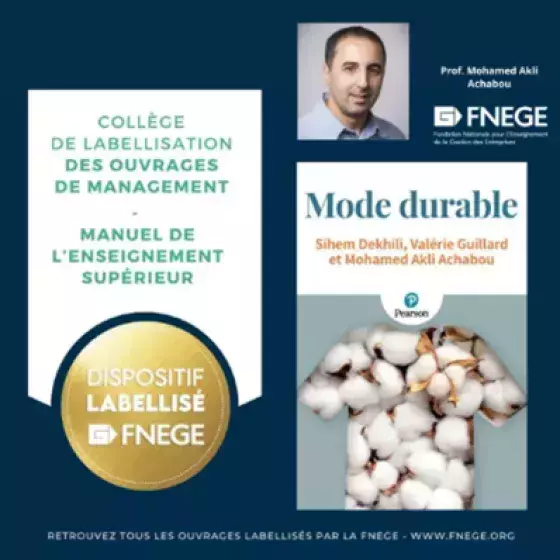
FMD–FNEGE Best Book Award in CSR for the book Mode durable, co-authored with Sihem Dekhili and Valérie Guillard and published in 2024 by Pearson Editions.

ELBOUTI, Mounira - 2025

Participation in the Lincoln Entrepreneurship and Innovation Colloquium 2025 at Lincoln International Business School, University of Lincoln, dedicated to early-career researchers.

This recognition follows the defense of her PhD dissertation in Management Sciences entitled “Female Employees’ Perceptions of the Effects of Digital Transformation on the Inclusion of Women in Organizations,” supervised by Prof. Faouzi Bensebaa and Prof. Maria Giuseppina Bruna, and defended at Paris Nanterre University in June 2024.


Prix INAYA IRMBAM

WAHIDI, Inaya-2025

The paper “Male CEOs' Perspectives on Women's Inclusion, Succession, and Perceived Future Performance in Family Firms in Times of Multiple Crises” received the Family Business Best Paper Award at the International Research Meeting in Business and Management (IRMBAM 2025), sponsored by the STEP Project Global Consortium, directed by Professor Andrea Calabrò.

Drawing on Upper Echelons Theory, the study is based on a survey of 314 male CEOs of Lebanese family firms and examines how the legitimacy of female successors is cognitively constructed during succession processes.

The findings show that the perceived power of the female successor is the main determinant of expected future firm performance, while declared beliefs supporting women’s inclusion play a more limited role in the evaluation of succession.