Founded in 1965, IPAG Business School has trained nearly 16,420 managers and entrepreneurs across a wide range of sectors and geographical areas.
A Private Higher Education Institution of General Interest (EESPIG), the school maintains its independence, being largely funded by tuition fees. It does not serve any shareholders and reinvests its profits in student success.
IPAG Business School’s educational model is distinguished by several key features:
- City-center campuses in Paris and Nice, allowing students to benefit from vibrant economic, cultural, and artistic environments;
- Small class sizes, ensuring personalized support and optimal chances for student success and personal development;
- Strong professional focus, reflected in program design, course content, teaching methods, internships, and work placements;
- International exposure, through frequent contact with different academic and cultural contexts on campus and with partner universities abroad;
- Opportunities for engagement, enabling students to participate in humanitarian, social, or civic projects;
- High-level research, conducted by faculty members in close connection with organizational challenges, continuously enriching and updating teaching.
The school believes it is possible for students to aim for excellence without having to choose between academic performance and practical skills development.
IPAG Business School has embarked on a new strategic plan (2025-2029) which aims to transform the school into a multidisciplinary Group. The strategic priorities are threefold:
Transforming students by hybridizing skills and personalizing curricula through close guidance and AI integration.
Transforming the school by intensifying internationalization.
Transforming organizations and society through research and faculty expertise.
Welcome to IPAG Business School.
We look forward to seeing you soon.
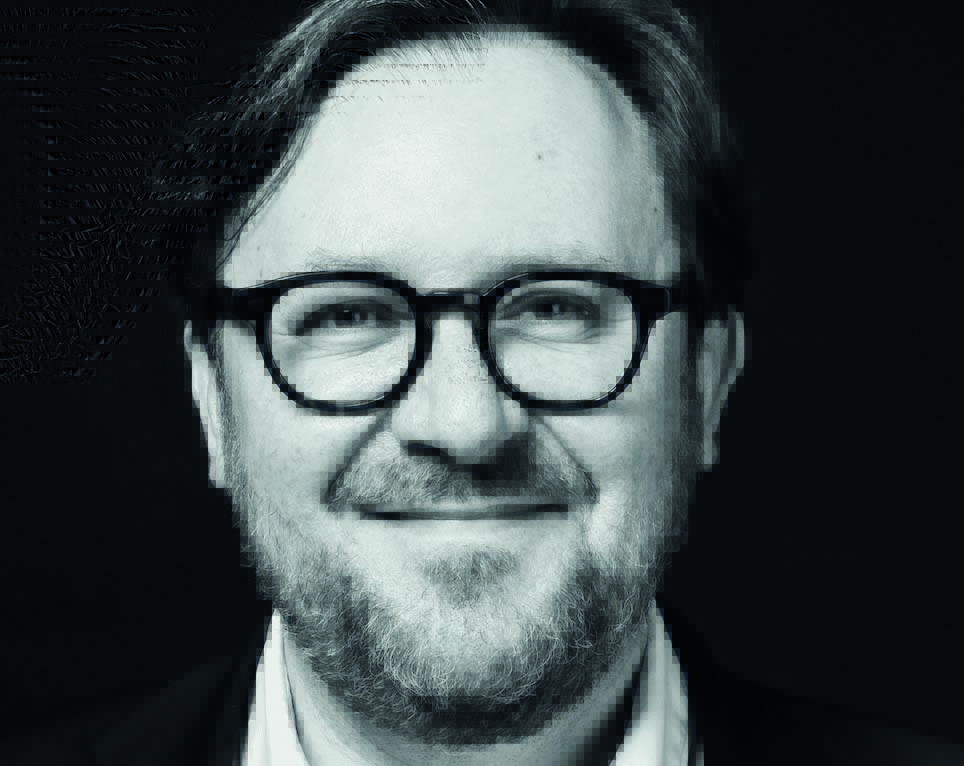
Olivier Maillard, Dean and Managing Director
IPAG Business School’s mission is to prepare managers for a rapidly changing global world and to produce high-quality research with national and international visibility.
To achieve this, the school focuses on:
Educating responsible managers with strong ethical and social awareness, grounded in rigorous academic training.
Integrating practical learning experiences in programs, particularly in the Master in Management (MiM).
Connecting with the local economy and society while maintaining a global perspective.
Producing research that enriches pedagogy and contributes knowledge useful to organizations and society.
The goal is to train agile, versatile, and responsible managers.
our goal is to prepare managers to be agile, versatile and responsible.
IPAG Business School in Europe, education in all its dimensions
A UNIQUE GOVERNANCE SYSTEM
IPAG Business School is a not-for-profit association under French law (Law of 1901). It is also recognized as an EESPIG, meaning it fulfills public service missions while maintaining complete independence. The School’s various stakeholders are actively involved in its governance.
The Development Committee
The Professional Development Committee is composed of company directors and senior executives. Its membership is designed to cover the main professions, sectors, and geocultural regions that IPAG Business School’s programs prepare students for.
The Committee ensures that the courses offered by the School are aligned with current and emerging business needs.
The Scientific Council
IPAG Alumni Circle
The IPAG Alumni Circle comprises graduates of IPAG Business School. Its mission is to discuss and advise on the School’s strategic and pedagogical directions.
The Global Student Council
The Global Student Council consists of elected student representatives. It serves as a forum for discussing the School’s strategic initiatives and educational projects.
The Board of Directors
The IPAG Association is overseen by a Board of Directors, which supports the management team in shaping the School’s strategic direction. Its composition reflects IPAG’s close ties with the business community. More information on the Board of Directors and its composition.
The Board has established two dedicated committees to assist the Managing Director and maintain regular dialogue with the Board:
Development Committee – helps the School’s management prioritize development projects.
Risk Management and Internal Control Committee – assists the Managing Director in identifying and preventing operational risks.