


Student inclusion and well-being
At IPAG, equal opportunities are not just talk, but a concrete reality. Aware that each student's journey is unique, the school is committed to ensuring that success is not hindered by disability, health issues, or personal difficulties. On the Paris, Nice, and Thionville-Luxembourg campuses, a genuine ecosystem of listening, adaptation, and commitment is in place to address these issues.
Customised solutions for every situation
At IPAG, accommodations are designed to meet the specific needs of each student: chronic motor, sensory, or mental disorders, depression, school phobia, invisible illnesses (endometriosis, epilepsy, diabetes, kidney failure, etc.). Support is humane, individualized, and based on trust and cooperation.
Among the solutions offered:
• Extra time during exams
• Use of a computer with spell checker
• Permission to leave class or exams (particularly in case of urgent medical need)
• Right to keep medication on one's person (with parental permission for minors)
• Enhanced monitoring for sensitive situations
• Assessment accommodations based on the severity of DYS disorders (oral exam instead of a written exam, extra time, etc.)
In 2025, 103 students benefited from approved accommodations, demonstrating the institution's growing commitment.
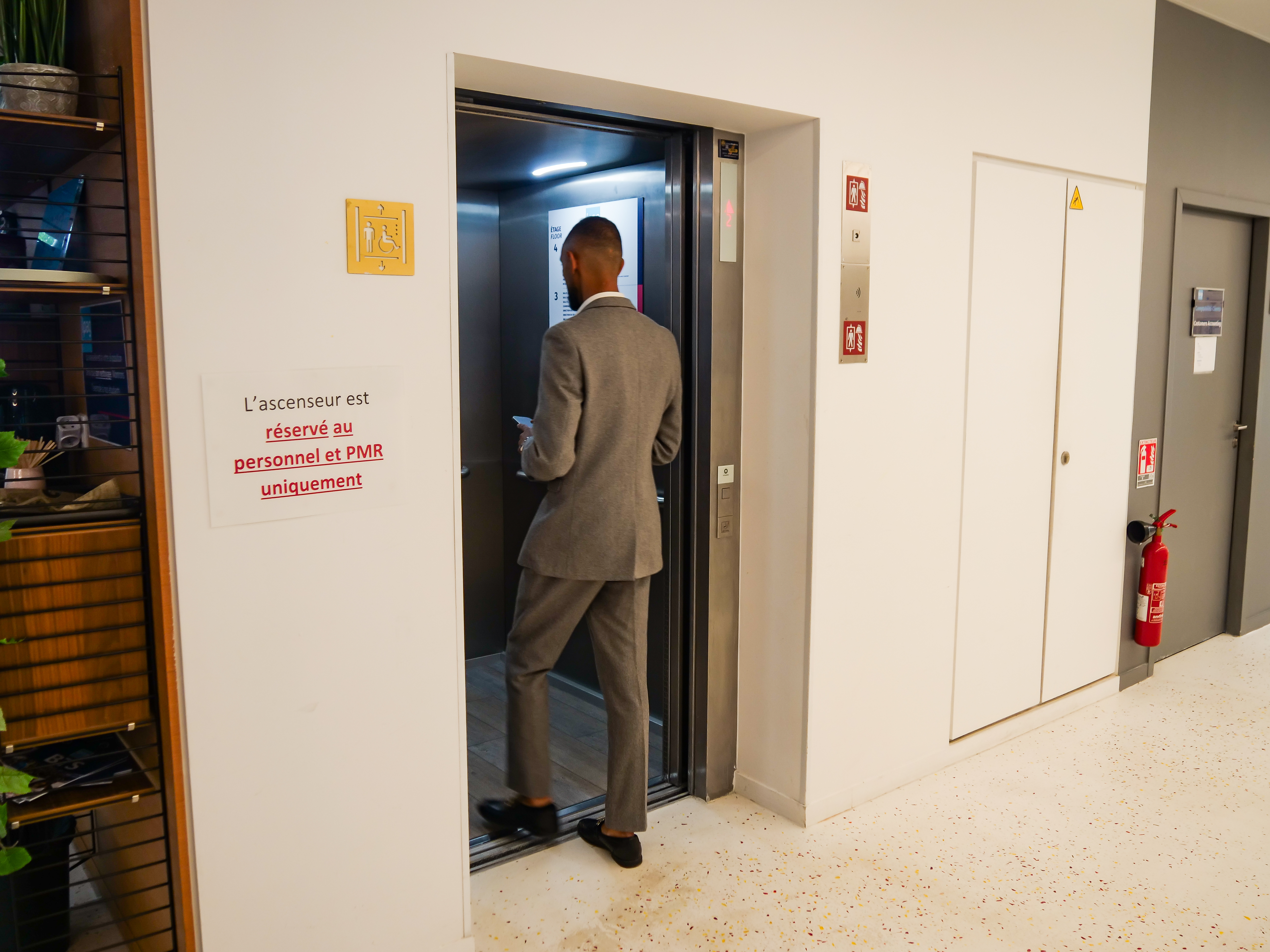
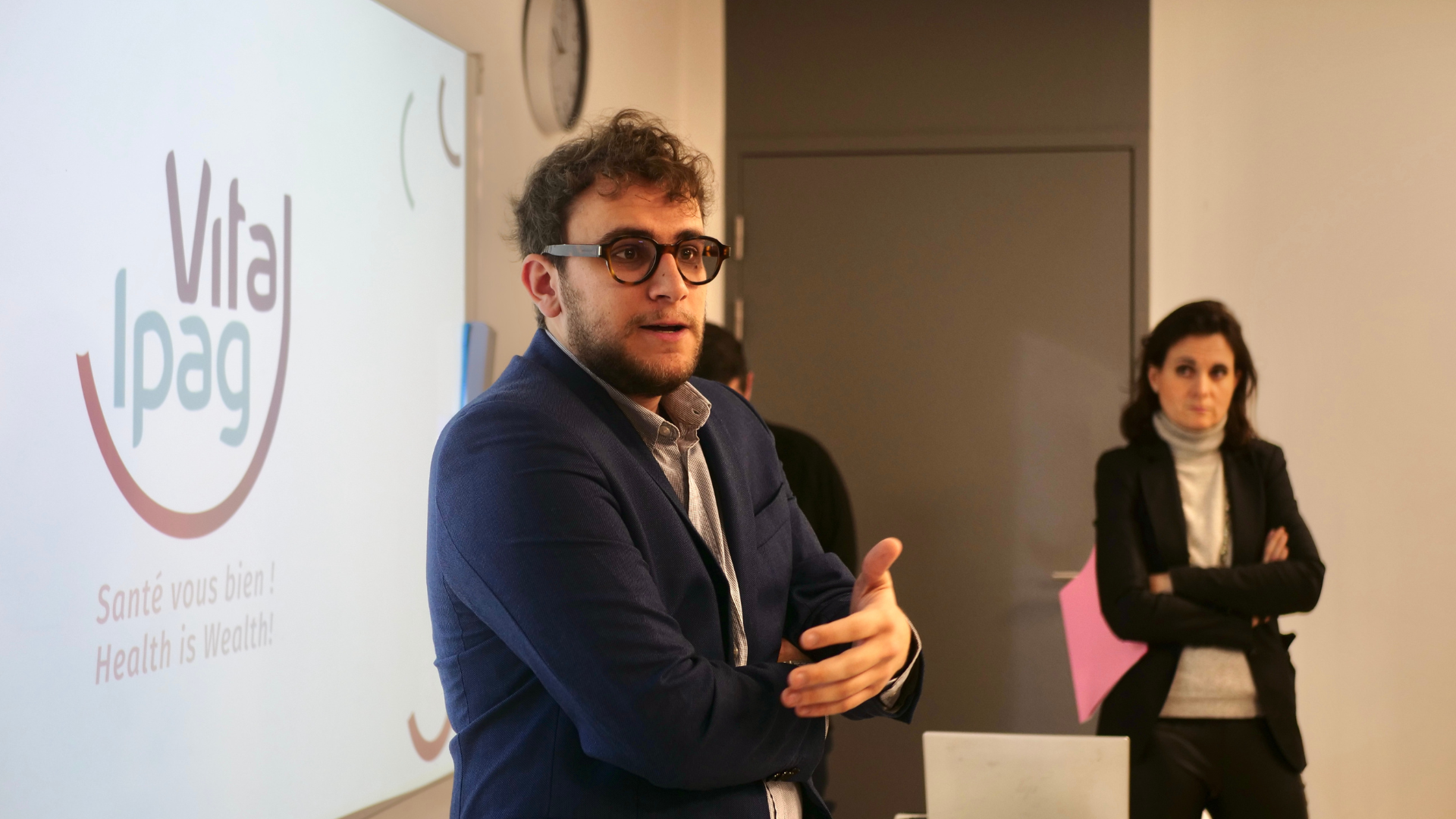
Elevator with access for people with reduced mobility (left), Vital’IPAG conference with our partners involved in student welfare policy at our institution (right).
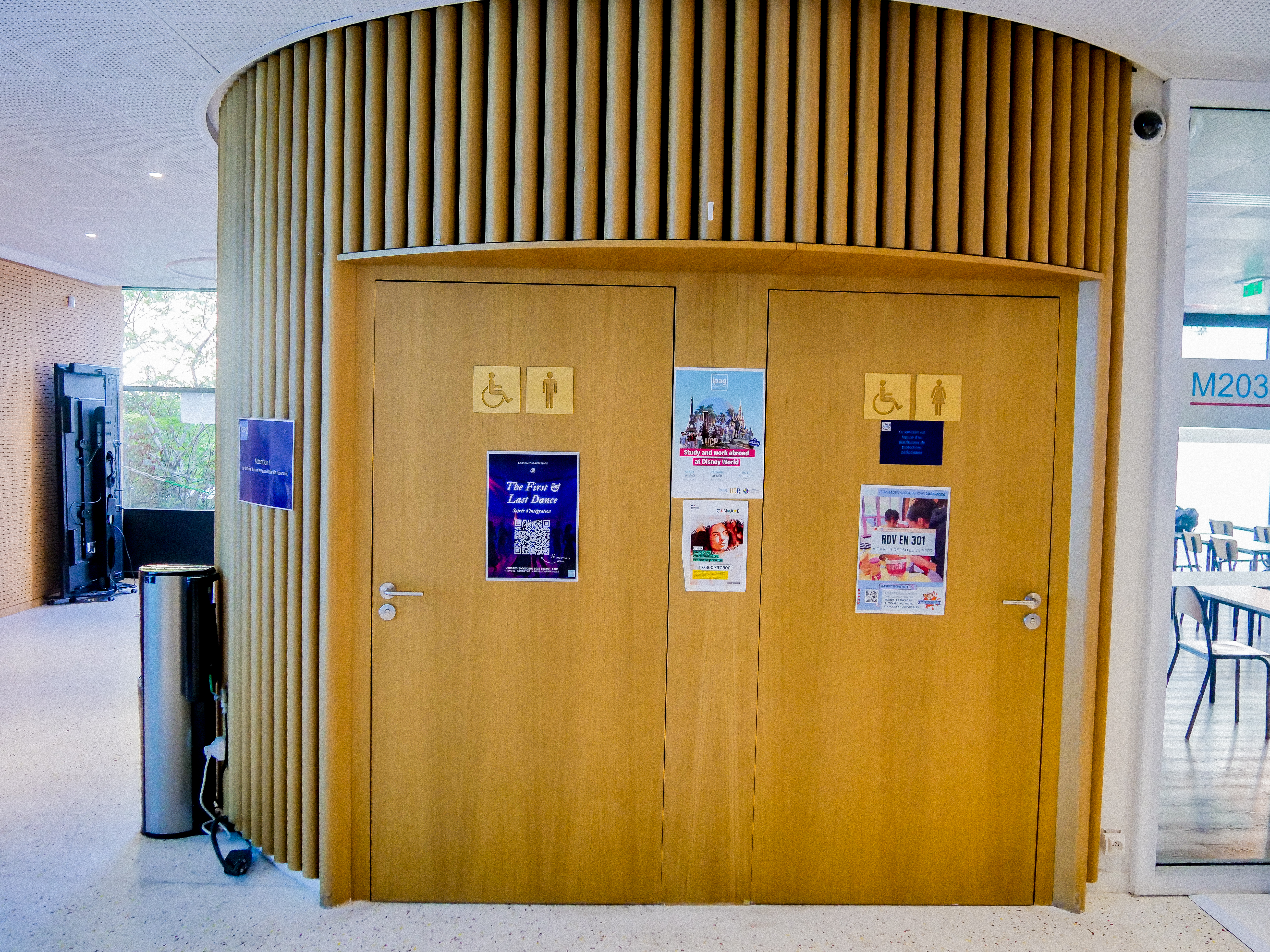
Accessible and inclusive infrastructure
Physical accessibility is also a priority:
• Elevators on all floors (authorized even in the event of a fire in certain situations)
• Access ramps, wheelchairs available for visitors and students
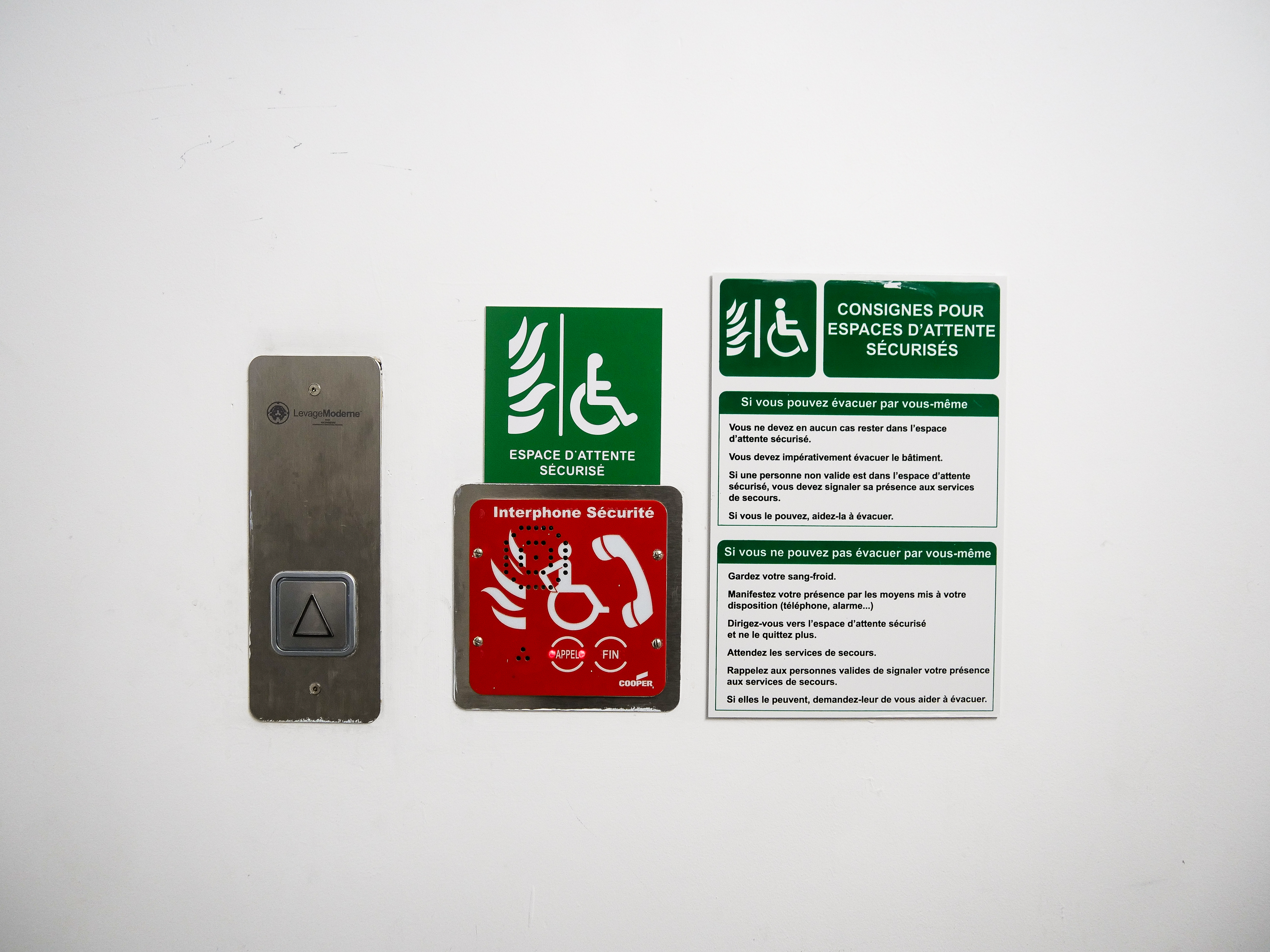
• Rooms designated for evacuating equipment in case of emergency
• Temporary on-site care for anxiety attacks, asthma, epilepsy, or other emergencies
Specific measures are also in place for students in wheelchairs, with sprains, or suffering from muscular diseases such as myasthenia gravis or cystic fibrosis.
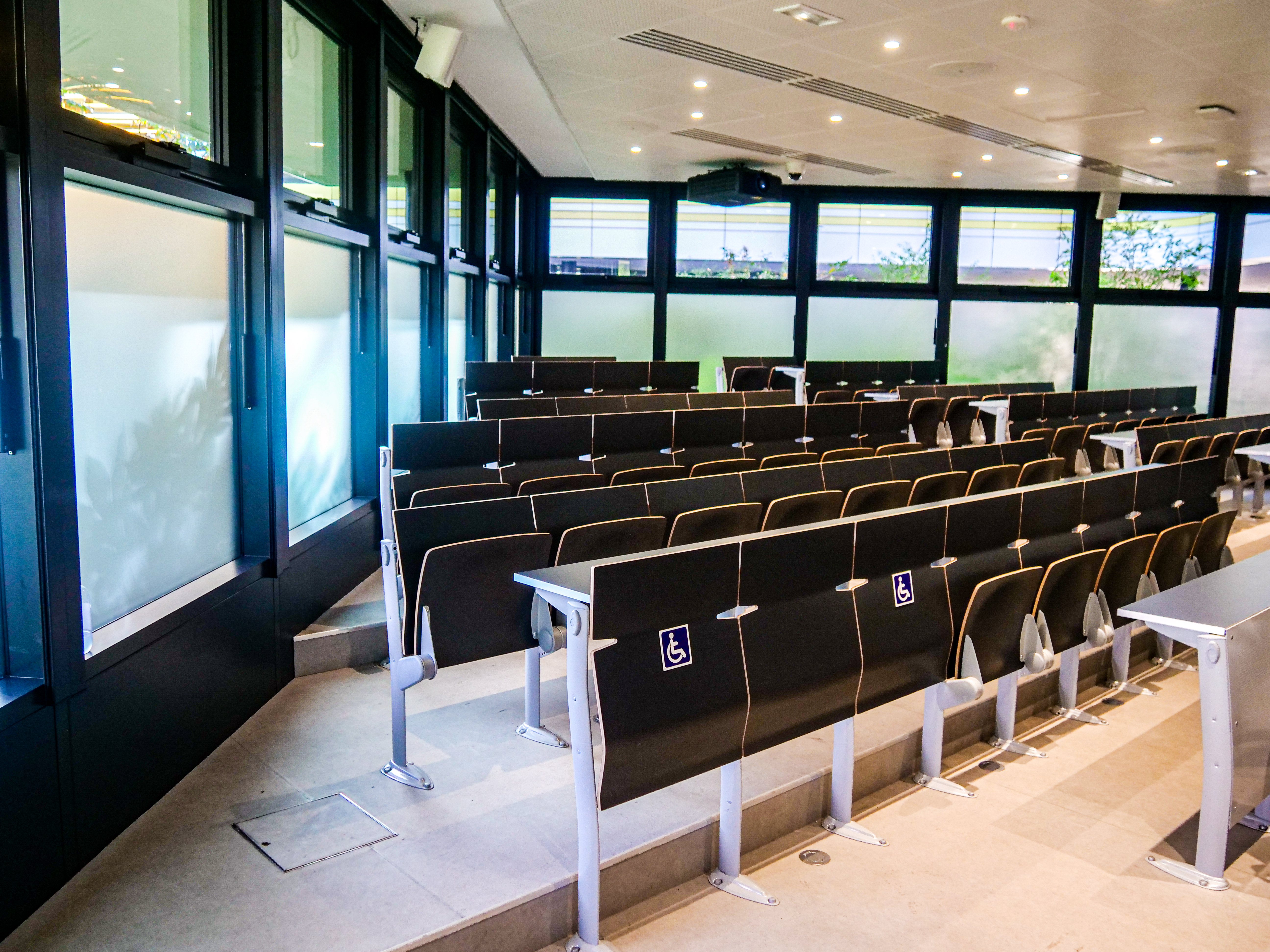
Ergonomic furniture for people with reduced mobility in classrooms.
Human and caring support on a daily basis
At the heart of the system are disability and equal opportunities advisors on each campus and a network trained in supporting vulnerable students. Thanks to constant listening, personalized solutions are put in place in conjunction with teachers, international partners, and psychological support structures (MonPsy Étudiant, Nightline, etc.).
Disability advisor: If you have a disability, you can contact the disability advisors in complete confidentiality to discuss the possibility of setting up support tailored to your needs. IPAG's disability advisors can be reached at inclusion@ipag.fr.
For more information, you can contact directly:
Mr. Marc RIVAULT, Head of Social Innovation and Inclusion, for the Paris and Thionville-Luxembourg campuses: m.rivault@ipag.fr;
Ms. Manel GUECHTOULI, Disability Advisor for the Nice campus: m.guechtouli@ipag.fr.
- Individualized Support Plans (ISPs) can be defined, including for students going abroad, with effective monitoring between IPAG and partner schools.
- A supportive approach is also taken to managing absences or late arrivals, particularly for students suffering from depression, anxiety, or chronic illnesses.
In order to tailor accommodations to students' actual needs and ensure equal opportunities for all, accommodations are put in place based on medical opinions from CDAPH-approved doctors (or based on accommodations obtained for the baccalaureate). Their implementation is discussed with students and the relevant departments in order to adapt the solutions implemented to each individual's changing situation, while respecting the educational constraints that guarantee the quality of our degrees.
Fighting against harassment and gender-based violence
IPAG also takes firm action in cases of harassment, whether on campus, during internships, work-study programs, or even at student parties.
The principles:
• Launch an investigation only with the victim's consent
• Possibility of immediate adjustments (change of group, termination of agreement without direct confrontation)
• Implementation of protective measures
• Support in contacting the company's HR department
• Summoning of the students involved, drafting of internal reports
The school may also intervene even if no complaint has been filed, in accordance with its internal regulations and the Education Code.
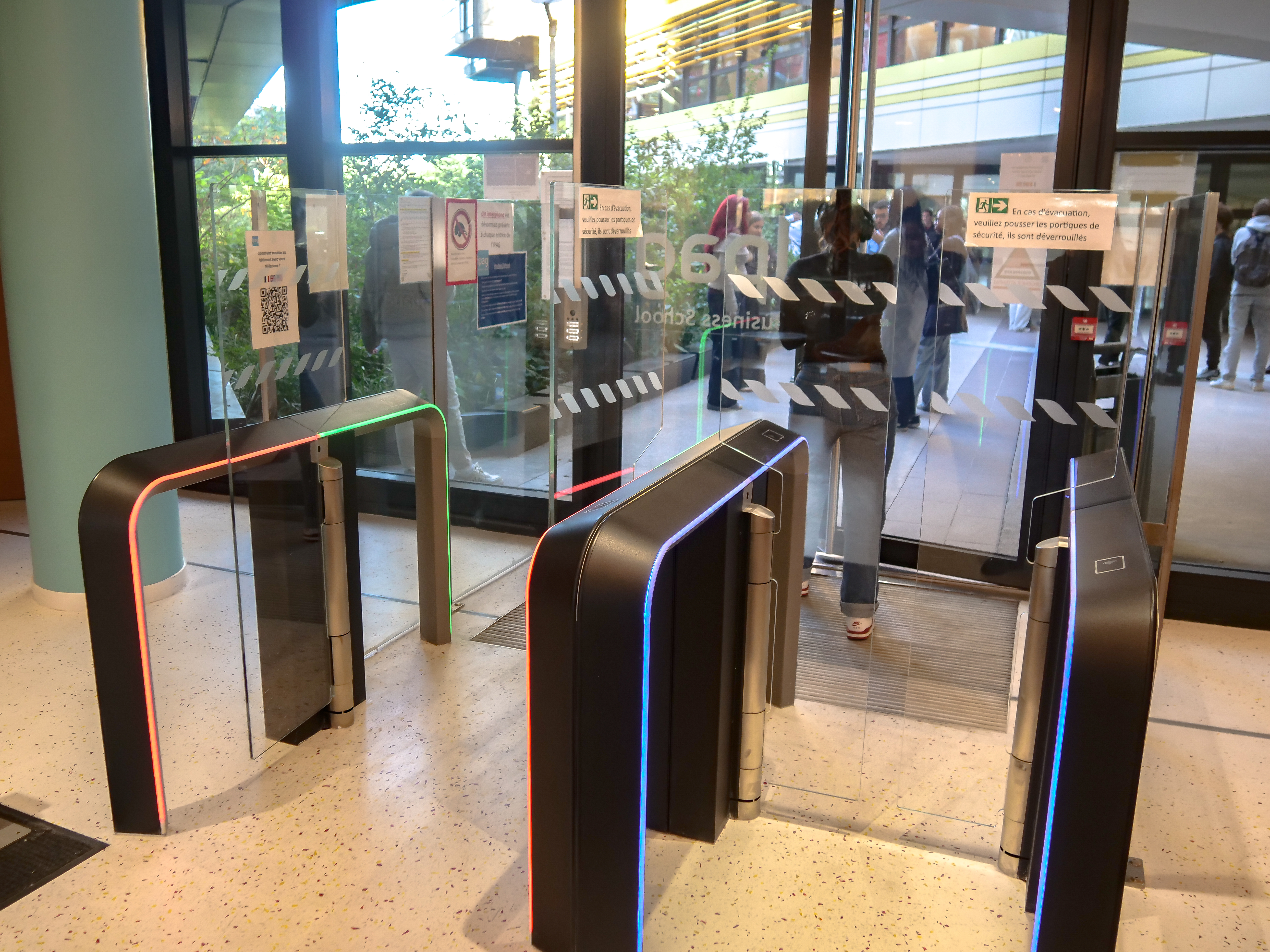
Security gate: glass rapid-access door.
Principles for Responsible Management Education
The IPAG Business School PRME report presents the school's concrete commitment to social responsibility and responsible management, details its holistic CSR & Impact strategy, as well as the actions taken and progress made, and includes a section dedicated to its Equality – Diversity – Inclusion policy.
A dynamic of continuous improvement
IPAG continues to strengthen its measures:
• Specific training for teaching staff (particularly on mental health)
• Implementation of shared tools such as the ShareInclusive platform, sharing practices and seeking new solutions with member schools of the Conférence des Grandes Écoles
• Verification of the application of adapted grading scales by professors
• Coordination between student life, advisors, and internal working groups
The next goal? To develop a clear charter of commitment to respond even better and faster to emergency or fragile situations.
A campus where everyone fits in
At IPAG, no one is left behind. Listening, adaptation, and trust are the pillars of a school that considers diversity of backgrounds to be an asset, not an obstacle. With strong commitment and concrete resources, the school is committed to an inclusive and deeply human approach. So that every student, whatever their needs, can flourish, progress... and succeed.